

Outbuild is online scheduling software to work together on connected project schedules and look-aheads, enabling everyone to move faster.
Key Takeaways

- Schedules, Lookaheads, and Weekly Work Plans within one integrated platform.
- Real-time insights and project analytics through automated dashboards.
- Easier, streamlined plan management through a user-friendly interface.
Table of contents
- What Is Risk Management in Construction?
- Common Construction Risks Projects Face
- How to Manage Risk in Construction Projects
- Risk Management in Construction Projects: An Example
- How Outbuild Mitigates Construction Project Risks
- Best Practices for Risks in Construction Project Management
Risk management in construction projects means finding possible problems, judging their impact, and choosing how to handle them. Most teams do this long before work starts. It helps them avoid surprises and keep projects moving.
Every project has some level of risk. Weather shifts, design changes, payment delays, and labor shortages all create problems. And when issues do hit, they almost always impact the schedule. That is why strong construction risk management is such a key part of building.
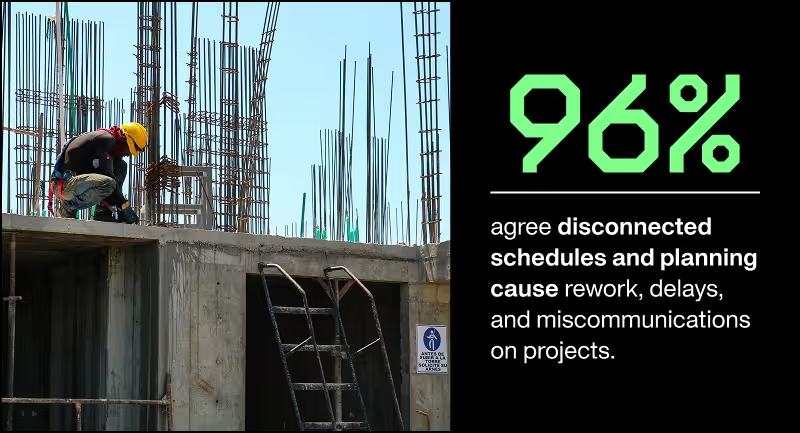
Industry groups report that poor planning is one of the top causes of delays, and the Associated General Contractors say more than half of contractors face schedule impacts tied to labor or supply challenges each year. Those numbers show how important early planning really is.
Risks in construction projects show up in different ways, and most projects deal with more than one at a time. Some are predictable. Others appear with no warning. Here are the main types teams see on jobs:
Financial risks
Late payments, change order disputes, material price spikes, or cash flow gaps can slow work down. When money stalls, crews get pulled, suppliers hold deliveries, and progress slows. These risks hit both the project and the company’s wider pipeline. These are major construction company risks.
Safety risks
Injuries, near misses, or missing safety checks can shut work down instantly. OSHA reports thousands of recordable incidents each year, and even a minor injury can pause a critical path activity for a day or more. Strong planning keeps these risks from stopping momentum.

Operational risks
These risks are the everyday issues that disrupt production: equipment breakdowns, trade stacking, missing inspections, RFIs stuck in review, or long lead items that were never tracked. When one trade slips, the whole sequence shifts.
Economic risks
Market changes, inflation, labor shortages, and supply chain swings all put pressure on a project. Rising costs or limited labor availability can force teams to resequence work or extend durations. This includes identifying labor cost risks and opportunities early in the process.
Schedule risks
These are the risks most teams feel first. Late starts, unclear scope, design changes, slow approvals, weather delays, and poor communication between field and office all push activities out.
Even a half-day delay can trigger a chain reaction across multiple trades. These are the core risks of construction and contribute directly to broader construction project risks.
Following the below process is a great way to manage risk in construction.
1. Identify the risk
Start by mapping out the conditions that could affect the job. Look at the site, the sequence of work, long lead items, crew availability, design details, and anything that has caused issues on past projects.
Modern tools make this easier. Digital schedules, site photos, and past project data help teams see patterns and spot risks early instead of reacting later. These tools support stronger risk assessment in construction industry practices.
2. Analyze the risk
Not every risk is equal. Some are small. Some can stop a job. Look at the likelihood and the impact.
Technology helps here too. Most teams now rely on dashboards and digital reports to compare production trends, labor availability, and long lead items. This gives them a clearer picture of what may slow the project down. This gives them a clearer picture of what may slow the project down and strengthens their mitigation in construction approach.
3. Decide how to respond
You can accept it, avoid it, control it, or transfer it. For example, you might avoid a risky scope or control the risk by adding inspections.
Tools like Outbuild help teams understand how each choice affects the schedule. If a decision shifts an activity or impacts the critical path, the platform makes that visible right away through modern construction risk management tools.
4. Create a plan if things go wrong
A good contingency plan starts with the lookahead. If something slips in the next one to three weeks, the team should already know how they will respond. This includes delays, missing information, late deliveries, or safety concerns that could push work out.
Shared digital tools make this much easier. Outbuild links lookaheads to the main schedule, so when an activity drifts, the platform flags it and the team can take action. If the delay matters, a Schedule Impact Request captures the change, alerts the right people, and updates the plan without guesswork. This early visibility supports effective construction risk mitigation.

3 Week Look-Ahead Template
The look ahead template helps you get started with:
- Improved coordination
- Increased progress tracking and efficiency
- Reducing costs
5. Monitor the project
Review the risks often. Conditions change fast, and your plan should change with them.
Modern software gives teams real-time visibility. Instead of waiting for weekly updates, they can see drift, missed tasks, or field changes as they happen.
Outbuild shows schedule movement right away, which helps teams react before small issues turn into delays or even legal issues.
Risk management sounds simple, but doing it well takes discipline. And most of the time, the hardest part is keeping up with constant changes. That is why more teams rely on technology to keep information accurate and help the field and office stay aligned; a key part of commercial construction risk management done right.
A failed rebar inspection triggers a chain reaction
A rebar inspection is scheduled for the day before a concrete placement. The inspector fails the check late in the afternoon, and the crew must fix the issue before concrete can go in.
In Outbuild, the superintendent sees the delay right away because the lookahead no longer lines up with the master schedule. The task drifts, Outbuild flags it, and a Schedule Impact Request is submitted from the field.
Leadership gets the alert instantly, approves the shift, and resequences the placement and downstream trades in minutes, not days.
Instead of discovering the problem at the end of the week, the team reacts the same day and protects the next phase of work.
This is a clear example of risk management in construction and how small slips can turn into major delays when they aren’t monitored closely.
Many risk problems start as small schedule issues. A lookahead slips by a day. A task moves without approval. Something in the field changes and nobody knows who should update the schedule. Over time, small changes add up and become delays.
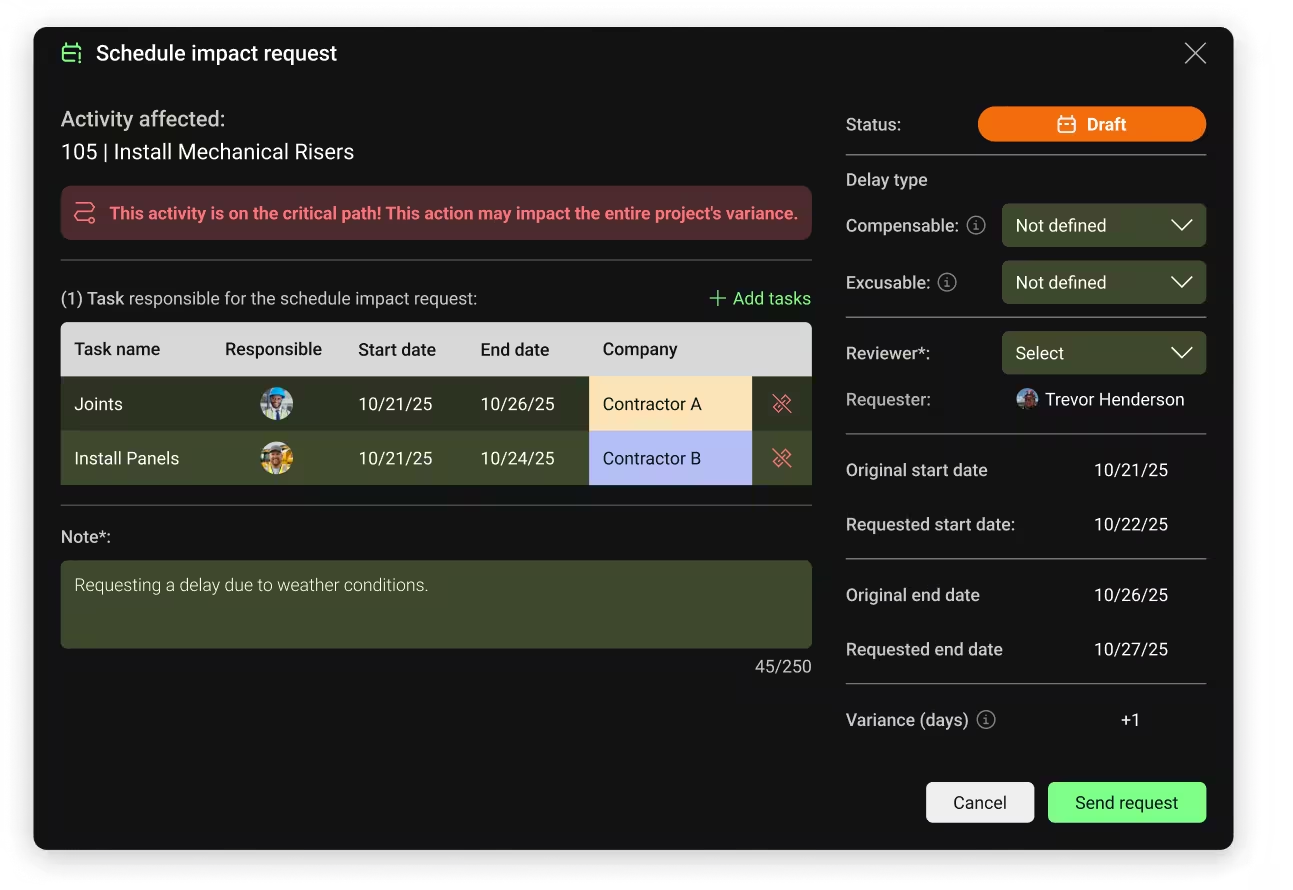
This is where Outbuild’s Schedule Impact Requests, or SIRs, make a big difference. They help teams catch these issues early and keep a clean record of every schedule change; a huge advantage in risk management for construction projects.
What SIRs Do
SIRs create a simple log of what changed, why it changed, when it changed, and who approved it. Instead of digging through emails or guessing which version is correct, everyone sees the same information in one place.
Instant Schedule Impact Detection
Outbuild compares lookahead tasks to the main schedule. If a task drifts past its planned dates, the system flags it. A small icon appears so the superintendent can review it fast.
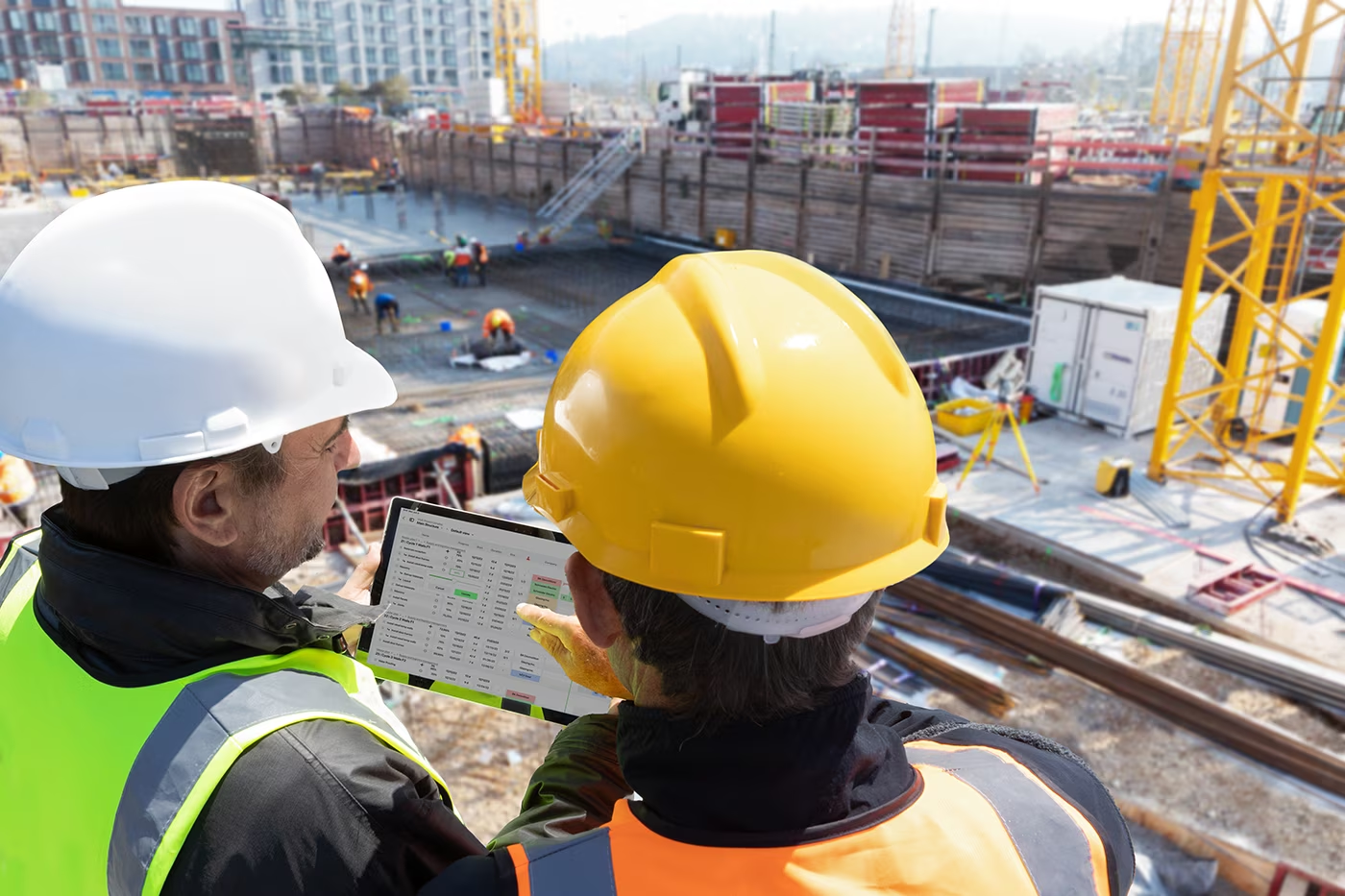
If the shift needs attention, they can submit a Schedule Impact Request right from their iPad in the field. No laptop. No scattered notes. No waiting.
This helps teams deal with schedule risks as soon as they appear, not days later.
Streamlined Approvals
Every SIR shows who is responsible and whether the task is on the critical path. Reviewers get an alert in the app and by email.
They can see the potential impact and choose to approve or reject with one click. It keeps decision making clear and quick, which lowers the chance of bad information slowing work down.
A Complete Change Record
Once an SIR is submitted, it stays in the project record. Approved, rejected, or still pending, everything is logged.
This creates a clean timeline of why the schedule evolved. It protects the team during disputes, helps with project closeout, and makes it easier to explain decisions to owners or executives.
That transparency is a big part of managing risk in construction projects and strengthens teams dealing with risks in building construction.
A Quick Example of SIR in Action
A drywall task slips three days because another trade was late. Outbuild flags the change, the superintendent submits an SIR, and the PM approves it after seeing the updated critical path.
Instead of arguing weeks later about “who caused what,” the team moves forward with clarity and avoids a bigger delay.
Coming Soon: Executive Dashboard in Outbuild Pro
Leaders need to see risk early too. A new portfolio-wide dashboard is coming soon. It helps executives spot which projects are at risk and understand why, so they can step in before problems spread. This supports better visibility for construction project risks at the portfolio level.

If you want a smoother project, build these habits into your process:
- Review risks during preconstruction, not halfway through the job.
- Track schedule changes daily, not weekly.
- Document every major decision so you do not rely on memory.
- Hold short coordination meetings focused only on risks and upcoming work.
- Use simple, clear language so the whole team understands the plan.
And, don't forget to leverage technology! You can use software like:
- Outbuild reduces schedule risk by flagging delays early, keeping tasks aligned, and giving teams a clear record of every change.
- Breadcrumb reduces risk by giving teams real-time clarity on worker compliance, documentation, and safety gaps before issues turn into incidents
- DroneDeploy delivers robotic capture and real AI for a complete understanding of quality, safety and progress across all your sites.
- Document Crunch uses AI to scan and flag contract risks, specs, and compliance issues so your team doesn’t inherit delays or disputes buried in the fine print.
- Buildots leverages hard-hat mounted cameras and AI to track on-site progress in real time, provide predictive schedule insights, and give teams full visibility across projects.
All of these tools support smoother risk management in construction and reduce broader risks in construction.
Risk management in construction will always take effort, but a good plan saves far more time than it costs.
3 Week Look-Ahead Template
5. Monitor the project
Review the risks often. Conditions change fast, and your plan should change with them.
Modern software gives teams real-time visibility. Instead of waiting for weekly updates, they can see drift, missed tasks, or field changes as they happen.
Outbuild shows schedule movement right away, which helps teams react before small issues turn into delays or even legal issues.
Risk management sounds simple, but doing it well takes discipline. And most of the time, the hardest part is keeping up with constant changes. That is why more teams rely on technology to keep information accurate and help the field and office stay aligned; a key part of commercial construction risk management done right.
A failed rebar inspection triggers a chain reaction
A rebar inspection is scheduled for the day before a concrete placement. The inspector fails the check late in the afternoon, and the crew must fix the issue before concrete can go in.
In Outbuild, the superintendent sees the delay right away because the lookahead no longer lines up with the master schedule. The task drifts, Outbuild flags it, and a Schedule Impact Request is submitted from the field.
Leadership gets the alert instantly, approves the shift, and resequences the placement and downstream trades in minutes, not days.
Instead of discovering the problem at the end of the week, the team reacts the same day and protects the next phase of work.
This is a clear example of risk management in construction and how small slips can turn into major delays when they aren’t monitored closely.
Many risk problems start as small schedule issues. A lookahead slips by a day. A task moves without approval. Something in the field changes and nobody knows who should update the schedule. Over time, small changes add up and become delays.
This is where Outbuild’s Schedule Impact Requests, or SIRs, make a big difference. They help teams catch these issues early and keep a clean record of every schedule change; a huge advantage in risk management for construction projects.
What SIRs Do
SIRs create a simple log of what changed, why it changed, when it changed, and who approved it. Instead of digging through emails or guessing which version is correct, everyone sees the same information in one place.
Instant Schedule Impact Detection
Outbuild compares lookahead tasks to the main schedule. If a task drifts past its planned dates, the system flags it. A small icon appears so the superintendent can review it fast.
If the shift needs attention, they can submit a Schedule Impact Request right from their iPad in the field. No laptop. No scattered notes. No waiting.
This helps teams deal with schedule risks as soon as they appear, not days later.
Streamlined Approvals
Every SIR shows who is responsible and whether the task is on the critical path. Reviewers get an alert in the app and by email.
They can see the potential impact and choose to approve or reject with one click. It keeps decision making clear and quick, which lowers the chance of bad information slowing work down.
A Complete Change Record
Once an SIR is submitted, it stays in the project record. Approved, rejected, or still pending, everything is logged.
This creates a clean timeline of why the schedule evolved. It protects the team during disputes, helps with project closeout, and makes it easier to explain decisions to owners or executives.
That transparency is a big part of managing risk in construction projects and strengthens teams dealing with risks in building construction.
A Quick Example of SIR in Action
A drywall task slips three days because another trade was late. Outbuild flags the change, the superintendent submits an SIR, and the PM approves it after seeing the updated critical path.
Instead of arguing weeks later about “who caused what,” the team moves forward with clarity and avoids a bigger delay.
Coming Soon: Executive Dashboard in Outbuild Pro
Leaders need to see risk early too. A new portfolio-wide dashboard is coming soon. It helps executives spot which projects are at risk and understand why, so they can step in before problems spread. This supports better visibility for construction project risks at the portfolio level.
If you want a smoother project, build these habits into your process:
- Review risks during preconstruction, not halfway through the job.
- Track schedule changes daily, not weekly.
- Document every major decision so you do not rely on memory.
- Hold short coordination meetings focused only on risks and upcoming work.
- Use simple, clear language so the whole team understands the plan.
And, don't forget to leverage technology! You can use software like:
- Outbuild reduces schedule risk by flagging delays early, keeping tasks aligned, and giving teams a clear record of every change.
- Breadcrumb reduces risk by giving teams real-time clarity on worker compliance, documentation, and safety gaps before issues turn into incidents
- DroneDeploy delivers robotic capture and real AI for a complete understanding of quality, safety and progress across all your sites.
- Document Crunch uses AI to scan and flag contract risks, specs, and compliance issues so your team doesn’t inherit delays or disputes buried in the fine print.
- Buildots leverages hard-hat mounted cameras and AI to track on-site progress in real time, provide predictive schedule insights, and give teams full visibility across projects.
All of these tools support smoother risk management in construction and reduce broader risks in construction.
Risk management in construction will always take effort, but a good plan saves far more time than it costs.
Frequently Asked Questions
Risk Management in construction is the process of finding possible project problems early, judging their impact, and deciding how the team will respond.
Start by reviewing risks during preconstruction, look at past project data, talk with trade partners, and decide how the team will handle the biggest concerns. This strengthens risk management in construction industry practices
It is the broader practice companies use to protect budgets, schedules, and safety across all their projects. Many teams treat this as part of their overall construction risk management strategy.
Use solid estimating, track market pricing, review change orders often, and keep clear records of material and labor trends. These efforts help reduce financial risks in construction and improve overall risk management for construction projects.


Ready to see Outbuild?
Join hundreds of contractors from 10+ countries that are saving money by scheduling better


We’ll be in touch soon!