


Outbuild is online scheduling software to work together on connected project schedules and look-aheads, enabling everyone to move faster.
Key Takeaways

- Schedules, Lookaheads, and Weekly Work Plans within one integrated platform.
- Real-time insights and project analytics through automated dashboards.
- Easier, streamlined plan management through a user-friendly interface.
Table of contents
- Five Themes that Shape Strong Subcontractor Management
- 10 Tips: How to Manage Subcontractors
- Subcontractor Management Examples
- Common Pitfalls of Subcontractor Management and How to Avoid Them
- What Subcontractor Coordination Success Looks Like
- Bringing Subcontractor Management all together
Managing subcontractors well starts with steady habits, clear communication, and respect for the people doing the work.
The following themes shape how you lead and set the stage for the specific tips that follow.
Start with clarity: roles, scope, and the standard of care
If you want to know how to manage subcontractors, start with a shared picture of success.
Every trade partner deserves a clear scope, drawings that match reality, and a simple list of deliverables. Put it in writing, keep it current and walk it in the field. If details change, update the scope and make sure everyone is aligned.
Clarity reduces misunderstandings and keeps crews moving. It also sets a tone of respect. You hired experts, treat them like the partners they are.
Leverage a single source of truth
Missing information causes delays. Make sure you have one source of truth for RFIs, submittals, and schedules.
This sounds basic, but it is core to subcontractor coordination. When plans or specs shift, your subs can adjust quicker when important information is at their fingertips.
Give the field a voice early and often
Bring the field into the conversation before a shovel even hits the ground. Ask what could slow them down and what would help them finish faster. Capture their input in and incorporate it.
This is also how to manage subcontractors on a site when things change. If steel shows up late, your drywall sub can shift tasks. If a stair opening isn’t ready, your electrician can rough another area.
Track workload across jobs so you do not overcommit a trade
Many general contractors ask the same subcontractors to support several sites at once. This works only if you look at capacity.
So, you are wondering how to monitor subcontractor workload and capacity across multiple job sites? Make sure you have a view of each trade partner, how many crews they can field, and where they are working for the next four to eight weeks.
If you ignore capacity, you’ll see missed dates and quality dips. If you track it, you can reorder tasks, bring in support, or adjust delivery dates. This is also how to monitor subcontractor workload and capacity across multiple job sites when market demand rises.
Use Subcontractor scheduling that invites field input
Crews need the right tasks in the right order with the right materials. That is what strong subcontractor scheduling delivers. Align long-lead items with field work.
Good schedules come from the people who do the work. A simple model:
- Start with milestones tied to owner needs, inspections, and long-lead items
- Bring foremen into the conversations to get early input
- Sequence work on a 3-week lookahead and plot deliveries
- Leverage a weekly work plan
- Review the schedule, lookahead and weekly work plans often.
A schedule built this way is a better guide for how to manage subcontractors in construction. It sets a realistic pace and shows respect by asking experts to help shape the plan, not just follow it.
This collaborative planning mirrors Outbuild’s focus on connected schedules, lookaheads, and field feedback. When crews can flag roadblocks right away, you prevent idle time and overtime. That is strong subcontractors management in action.
Now that the major themes of subcontractor coordination are clear, here are 10 specific tips that make these ideas real on each project.
How to Fix the Disconnect Between the Office and Field.
Download the report to learn more:
- Learn about the why scheduling and planning fail the field
- Understand the pain points, inefficiencies, and evolving practices shaping scheduling today
- Find out how to bridge critical disconnects happening in construction
Write scopes that people can build from
Describe finished conditions, not just tasks. Tie scope items to plan sheets. List known risks and how to handle them. Ask each sub to review the scope with their foreman before signing.
Align plans, specs, and quantities
Before kickoff, hold a pre-mobilization meeting with each trade. Look for missing dimensions, unclear details, and takeoff gaps. Fix what you can before mobilization. Share an open items list with dates and owners.
Set a rhythm and keep it
Pick days for coordination walks and OAC meetings. People plan their week around your rhythm.
Leverage construction tech
Use tools that connect schedules, RFIs and submittals in one place. This keeps data clean and improves subcontractor coordination.
Use a three-week look ahead
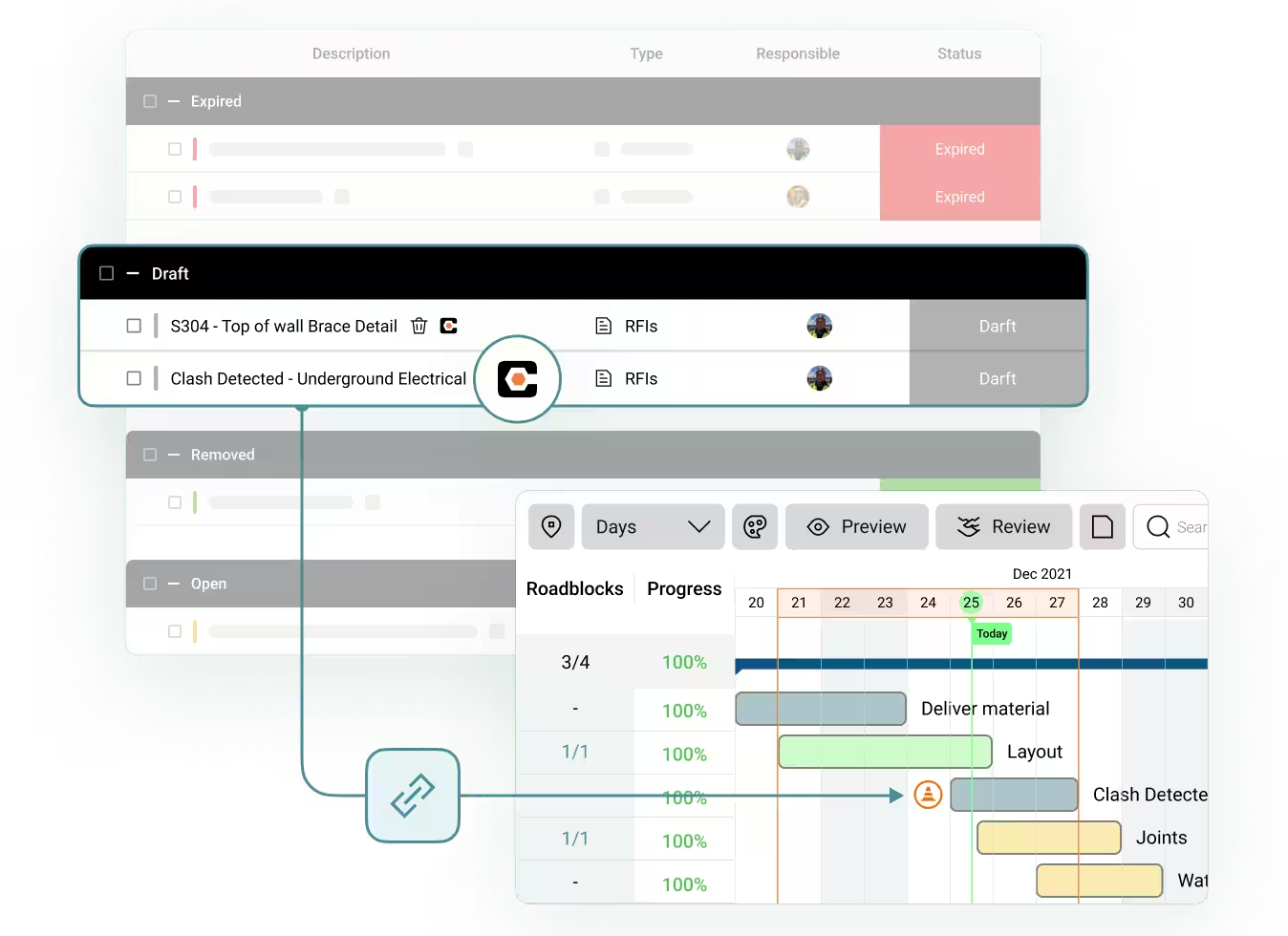
Use lookahead software that connects to your master schedule so that the field can stay on top of work to be done. This ensures team collaboration and accountability.
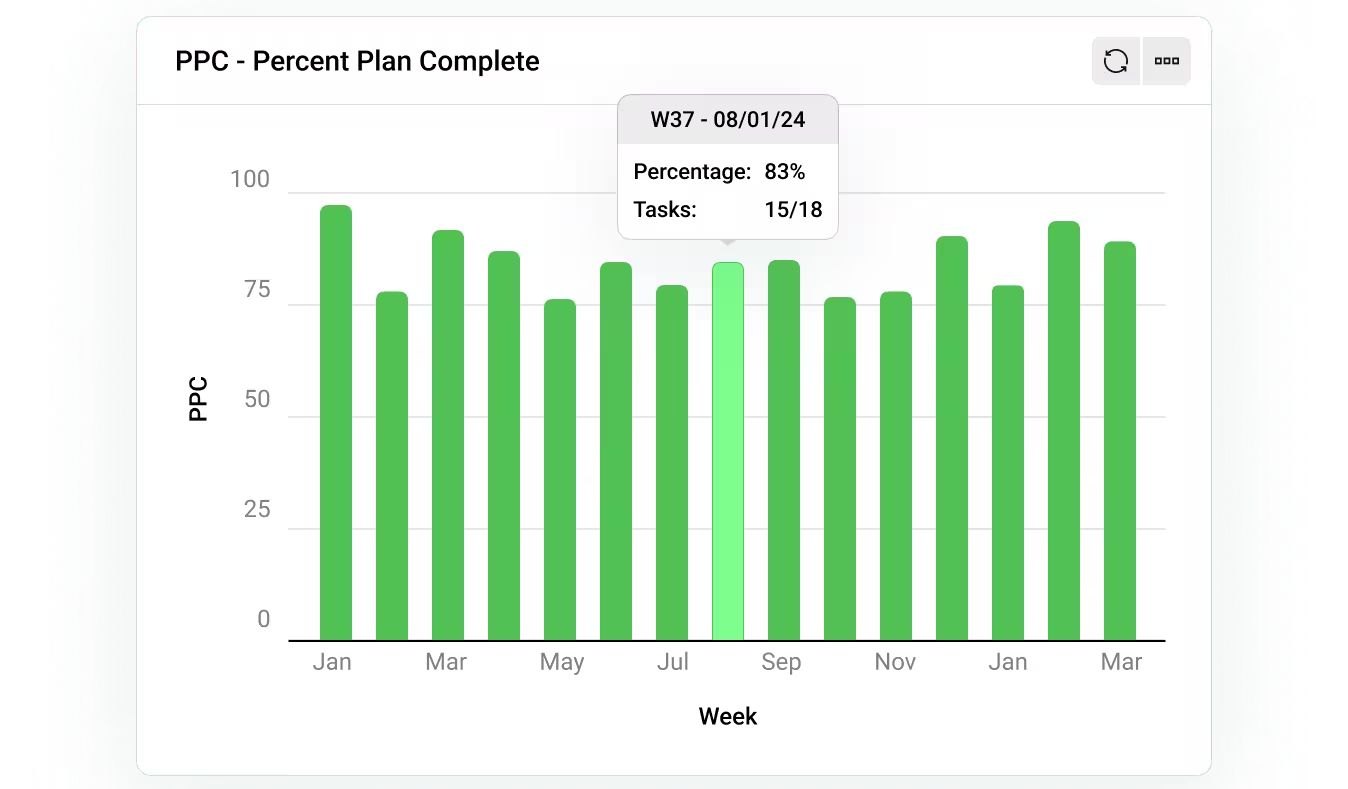
Measure schedule reliability with percent plan complete.
Track the percentage of weekly work plan tasks completed as originally agreed upon. PPC shows how reliably teams are hitting their commitments, helping you build consistency and improve coordination.
Remove roadblocks early and often
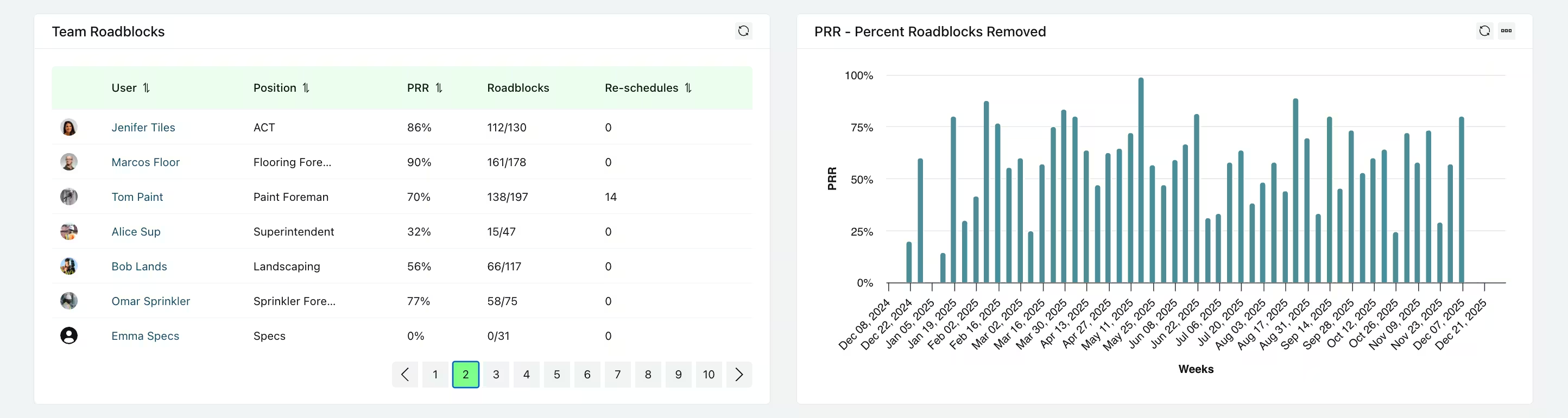
Roadblocks are the hidden killers of schedule flow. Catch them in the field, document them, and assign owners quickly. Outbuild makes this easier by connecting roadblocks directly to your schedule and lookahead so every sub sees what is holding up work and what needs action. When issues are visible, they get solved faster.
Make safety a shared standard
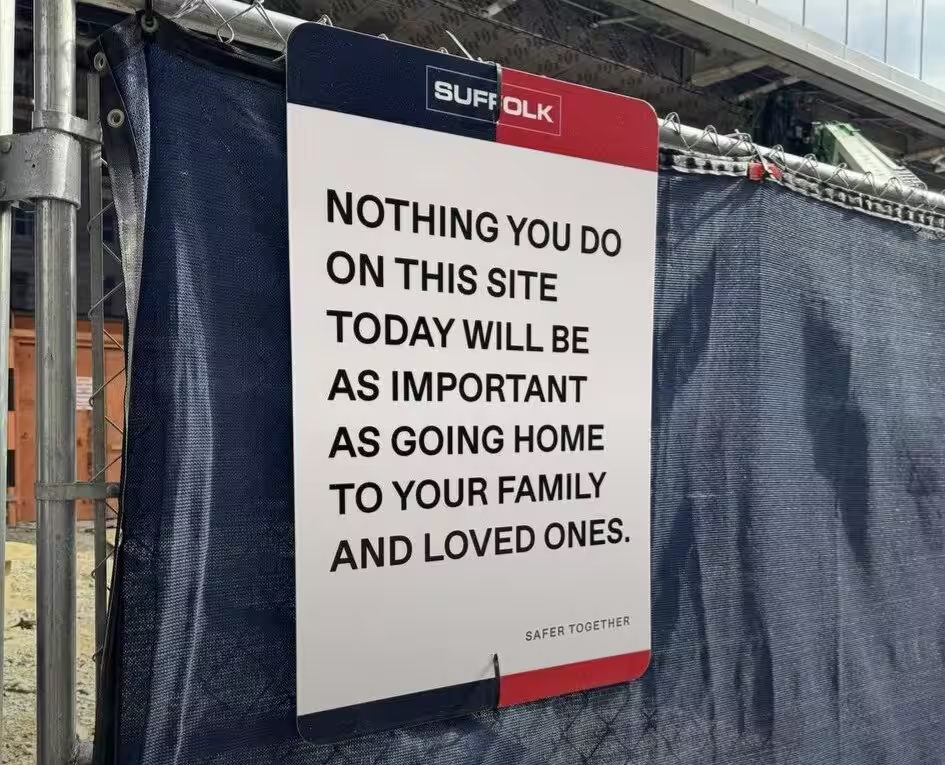
Create a shared safety mindset. It is imperative that everyone safely returns home at the end of each day. It is important that safety is not just a buzz word but part of the jobsite culture.
Communicate like a teammate, not a referee
Stay calm when tension runs high and remember you are a team. Everyone is working toward the same goal and it is so important for team morale to treat everyone respectfully.
Close out with the same discipline you started with
Punch lists should be short and fair. Walk areas early. Pay fast when work is done and show gratitude. Your last impression builds the next partnership.
Concrete and steel avoid a two-week slip
A general contractor had both the concrete and steel trades starting work in the same area, and the anchor bolt locations were extremely tight. During a joint huddle, the superintendent walked everyone through the sequence.
The steel crew explained they needed the anchor bolts to land on exact marks, while the concrete team pointed out that the rebar couplers could crowd the bolt sleeves. Together, they adjusted the plan, shifting the pour breaks by eight feet and adding a simple template to ensure accurate bolt placement.
They also used Outbuild to keep both crews aligned on the schedule. During each pour, the concrete team uploaded daily reports with photos and bolt measurements tied directly to that day’s lookahead. Steel reviewed the updates in real time before sending trucks, which kept everyone on the same page.
With clear sequencing and connected schedules, the job held its critical date and cut rework to almost zero; proof that managing subcontractors well is really about clarity, coordination, and simple systems that work.
Mechanical and drywall share a corridor
On a hospital project, mechanical and drywall both needed a tight corridor. A weekly walk exposed a clash with the bulkhead elevation. The assistant superintendent pulled both foremen into a ten-minute talk.
They sketched a fix on the wall, changed the order of tasks, and swapped two drywall crews to another floor for three days.
The team had been monitoring subcontractor workload and capacity across multiple job sites, so the drywall sub could reassign labor without losing hours. The general contractor updated the lookahead and told the owner in the next OAC.
No long emails. No blame. Just a simple change and a job that kept moving. That is subcontractor coordination at work.
Pitfall 1: Planning in isolation
If you set the plan without field input, you will miss real constraints. Fix it by inviting foremen to the planning table.
Pitfall 2: Vague daily reports
If a subcontractor daily report says “worked in Area B” with no detail, ask for tasks, quantities, and photos. The goal is clarity, not paperwork.
Pitfall 3: Overlapping crews
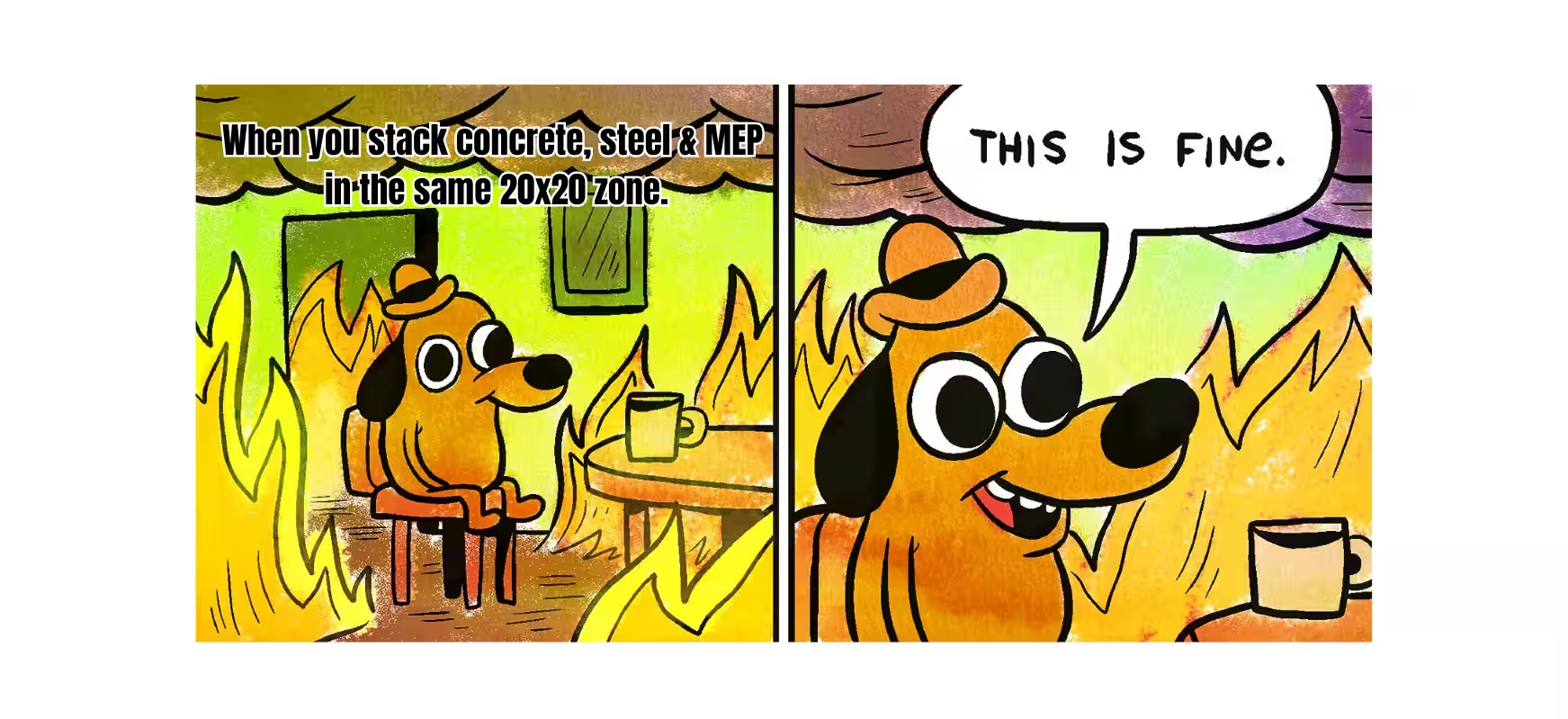
Do not stack trades in the same zone unless the work allows it. When in doubt, test a small area first, then scale.
Pitfall 4: Fuzzy change process
Slow direction becomes slow work. Set clear thresholds for change orders and turn decisions within two business days.
Pitfall 5: Capacity blind spots
If you never check who else your sub is serving, you will get surprised. Keep monitoring subcontractor workload and capacity across multiple job sites and you will prevent most surprises.
When you practice how to manage subcontractors, the site feels calm. Crews know where to go. Material arrives on time. Problems still appear, but they are smaller and you catch them sooner. You finish areas cleanly and move on. Subs want to work with you again.
That is the real mark of strong subcontractors management.
If you want a quick checklist of how to manage subcontractors in construction, try this:
- Write scopes that field crews can build from
- Use technology for project information
- Plan with your foremen, not for them
- Create 3-week lookahead with the field’s input
- Hold short, focused walks often
- Ensure the crews keep a standard subcontractor daily report
- Track trade capacity across jobs
- Review weekly commitments, roadblocks and percent plan complete
- Close out with fair punch and fast pay
Follow this list and you will master how to manage subcontractors on a site and across your portfolio. Your team will gain time, quality will improve, and relationships will get stronger.
“Outbuild's scheduling software has really helped our subcontractors buy in and has improved our company immensely. I would recommend Outbuild to any other company out there!” - Roger Hayes, Taurus Builders (See full case study here)
Learning how to manage subcontractors is about steady habits. Respect your partners, make the plan with them and keep the schedule honest. Use simple tools that show the work. If you do this, subcontractor coordination improves, quality rises, and you hit your dates.
That is how to manage subcontractors in construction in a way that lasts. It is also how to monitor subcontractor workload and capacity across multiple job sites so your partners do not burn out. And it is how to align subcontractor commitments with long-term capital plans effectively so owners see fewer surprises.
If you practice these tips, you will see the change on site. You’ll notice less noise, more progress and stronger relationships.
Are you ready to strengthen your relationship with your subcontractors? Book a demo now to learn more about how Outbuild helps you manage subcontractors.
How to Fix the Disconnect Between the Office and Field.
Write scopes that people can build from
Describe finished conditions, not just tasks. Tie scope items to plan sheets. List known risks and how to handle them. Ask each sub to review the scope with their foreman before signing.
Align plans, specs, and quantities
Before kickoff, hold a pre-mobilization meeting with each trade. Look for missing dimensions, unclear details, and takeoff gaps. Fix what you can before mobilization. Share an open items list with dates and owners.
Set a rhythm and keep it
Pick days for coordination walks and OAC meetings. People plan their week around your rhythm.
Leverage construction tech
Use tools that connect schedules, RFIs and submittals in one place. This keeps data clean and improves subcontractor coordination.
Use a three-week look ahead
Use lookahead software that connects to your master schedule so that the field can stay on top of work to be done. This ensures team collaboration and accountability.
Measure schedule reliability with percent plan complete.
Track the percentage of weekly work plan tasks completed as originally agreed upon. PPC shows how reliably teams are hitting their commitments, helping you build consistency and improve coordination.
Remove roadblocks early and often
Roadblocks are the hidden killers of schedule flow. Catch them in the field, document them, and assign owners quickly. Outbuild makes this easier by connecting roadblocks directly to your schedule and lookahead so every sub sees what is holding up work and what needs action. When issues are visible, they get solved faster.
Make safety a shared standard
Create a shared safety mindset. It is imperative that everyone safely returns home at the end of each day. It is important that safety is not just a buzz word but part of the jobsite culture.
Communicate like a teammate, not a referee
Stay calm when tension runs high and remember you are a team. Everyone is working toward the same goal and it is so important for team morale to treat everyone respectfully.
Close out with the same discipline you started with
Punch lists should be short and fair. Walk areas early. Pay fast when work is done and show gratitude. Your last impression builds the next partnership.
Concrete and steel avoid a two-week slip
A general contractor had both the concrete and steel trades starting work in the same area, and the anchor bolt locations were extremely tight. During a joint huddle, the superintendent walked everyone through the sequence.
The steel crew explained they needed the anchor bolts to land on exact marks, while the concrete team pointed out that the rebar couplers could crowd the bolt sleeves. Together, they adjusted the plan, shifting the pour breaks by eight feet and adding a simple template to ensure accurate bolt placement.
They also used Outbuild to keep both crews aligned on the schedule. During each pour, the concrete team uploaded daily reports with photos and bolt measurements tied directly to that day’s lookahead. Steel reviewed the updates in real time before sending trucks, which kept everyone on the same page.
With clear sequencing and connected schedules, the job held its critical date and cut rework to almost zero; proof that managing subcontractors well is really about clarity, coordination, and simple systems that work.
Mechanical and drywall share a corridor
On a hospital project, mechanical and drywall both needed a tight corridor. A weekly walk exposed a clash with the bulkhead elevation. The assistant superintendent pulled both foremen into a ten-minute talk.
They sketched a fix on the wall, changed the order of tasks, and swapped two drywall crews to another floor for three days.
The team had been monitoring subcontractor workload and capacity across multiple job sites, so the drywall sub could reassign labor without losing hours. The general contractor updated the lookahead and told the owner in the next OAC.
No long emails. No blame. Just a simple change and a job that kept moving. That is subcontractor coordination at work.
Pitfall 1: Planning in isolation
If you set the plan without field input, you will miss real constraints. Fix it by inviting foremen to the planning table.
Pitfall 2: Vague daily reports
If a subcontractor daily report says “worked in Area B” with no detail, ask for tasks, quantities, and photos. The goal is clarity, not paperwork.
Pitfall 3: Overlapping crews
Do not stack trades in the same zone unless the work allows it. When in doubt, test a small area first, then scale.
Pitfall 4: Fuzzy change process
Slow direction becomes slow work. Set clear thresholds for change orders and turn decisions within two business days.
Pitfall 5: Capacity blind spots
If you never check who else your sub is serving, you will get surprised. Keep monitoring subcontractor workload and capacity across multiple job sites and you will prevent most surprises.
When you practice how to manage subcontractors, the site feels calm. Crews know where to go. Material arrives on time. Problems still appear, but they are smaller and you catch them sooner. You finish areas cleanly and move on. Subs want to work with you again.
That is the real mark of strong subcontractors management.
If you want a quick checklist of how to manage subcontractors in construction, try this:
- Write scopes that field crews can build from
- Use technology for project information
- Plan with your foremen, not for them
- Create 3-week lookahead with the field’s input
- Hold short, focused walks often
- Ensure the crews keep a standard subcontractor daily report
- Track trade capacity across jobs
- Review weekly commitments, roadblocks and percent plan complete
- Close out with fair punch and fast pay
Follow this list and you will master how to manage subcontractors on a site and across your portfolio. Your team will gain time, quality will improve, and relationships will get stronger.
“Outbuild's scheduling software has really helped our subcontractors buy in and has improved our company immensely. I would recommend Outbuild to any other company out there!” - Roger Hayes, Taurus Builders (See full case study here)
Learning how to manage subcontractors is about steady habits. Respect your partners, make the plan with them and keep the schedule honest. Use simple tools that show the work. If you do this, subcontractor coordination improves, quality rises, and you hit your dates.
That is how to manage subcontractors in construction in a way that lasts. It is also how to monitor subcontractor workload and capacity across multiple job sites so your partners do not burn out. And it is how to align subcontractor commitments with long-term capital plans effectively so owners see fewer surprises.
If you practice these tips, you will see the change on site. You’ll notice less noise, more progress and stronger relationships.
Are you ready to strengthen your relationship with your subcontractors? Book a demo now to learn more about how Outbuild helps you manage subcontractors.
Frequently Asked Questions
List crew count by craft, locations worked, tasks completed, materials delivered, equipment used, safety notes, and simple photos. Keep it short so foremen can submit it daily and you can read it fast.
The lookahead should be updated every week to accurately reflect and course correct the schedule from the previous week's commitment of tasks. The lookahead should be scheduled as far out as 6 weeks and be used as a learning module to understand how accurately the team is planning and completing tasks each week.
Use a capacity table that shows crews available and crews committed. Start monitoring subcontractor workload and capacity across multiple job sites and talk with subs two weeks ahead when you see a squeeze.
Agree on a simple change process in the contract. Clear and quick changes protect both schedule and cash flow.



Ready to see Outbuild?
Join hundreds of contractors from 10+ countries that are saving money by scheduling better




We’ll be in touch soon!