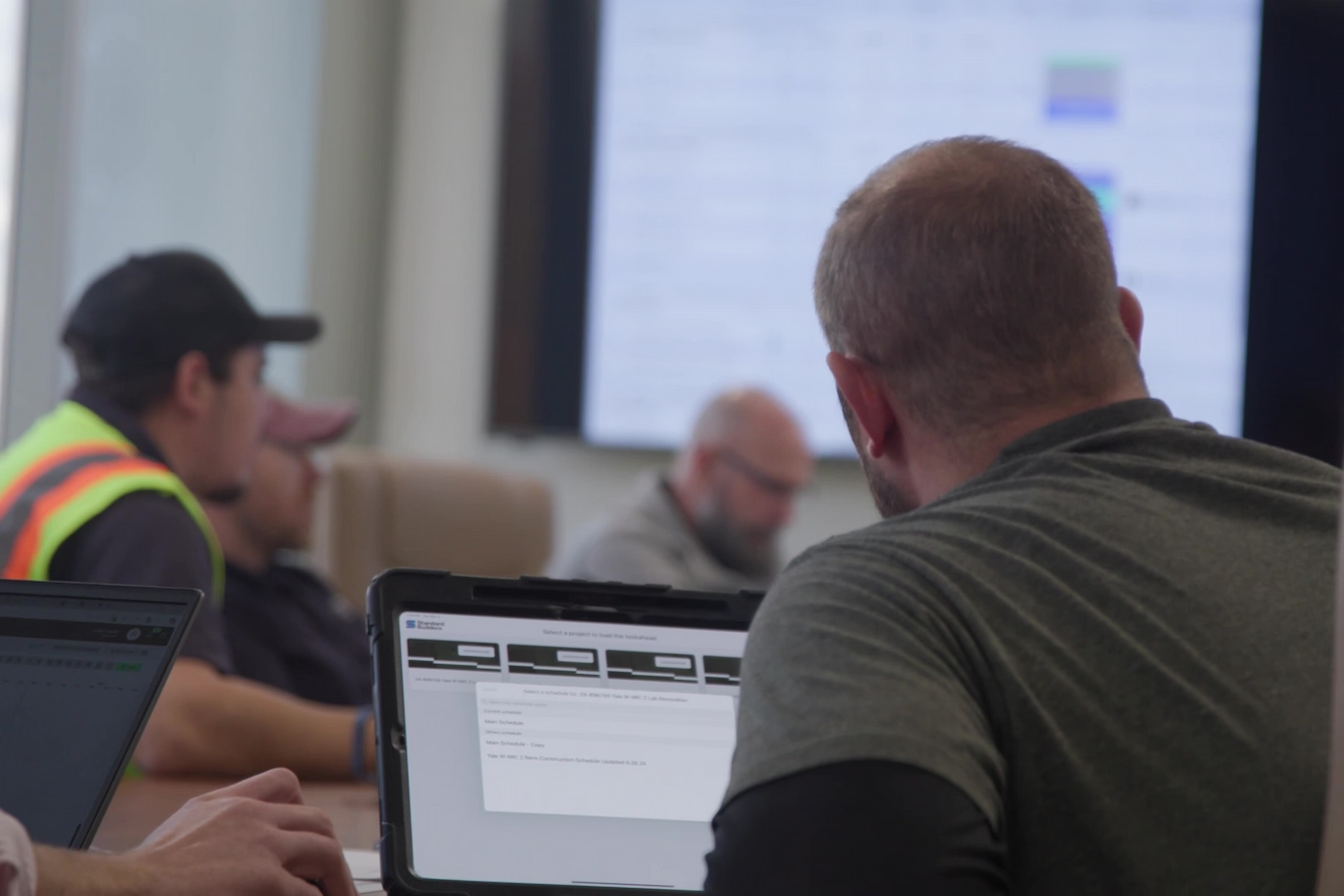


Outbuild is online scheduling software to work together on connected project schedules and look-aheads, enabling everyone to move faster.
Key Takeaways

- Schedules, Lookaheads, and Weekly Work Plans within one integrated platform.
- Real-time insights and project analytics through automated dashboards.
- Easier, streamlined plan management through a user-friendly interface.
Table of contents
- Why Field and Office Drift Apart
- The Mental Model: One Shared Plan, One Shared Cadence
- Step 1: Translate the Master Schedule Into Field Language
- Step 2: Make Readiness Visible to Both Sides
- Step 3: Build Weekly Planning Around Trade Commitments, Not Schedule Assignments
- Step 4: Capture Changes in One Place Without Creating Chaos
- From Alignment to Confidence
- Do This Monday: A Field-Ready Checklist
There is a moment every experienced project leader recognizes. The PM pulls up the schedule and points to where the project is. The superintendent looks at the same screen and says, quietly, that the job is actually somewhere else.
Neither of them is necessarily wrong. They are often working from different views of the same project.
That gap is where projects lose trust, lose predictability, and eventually lose margin.
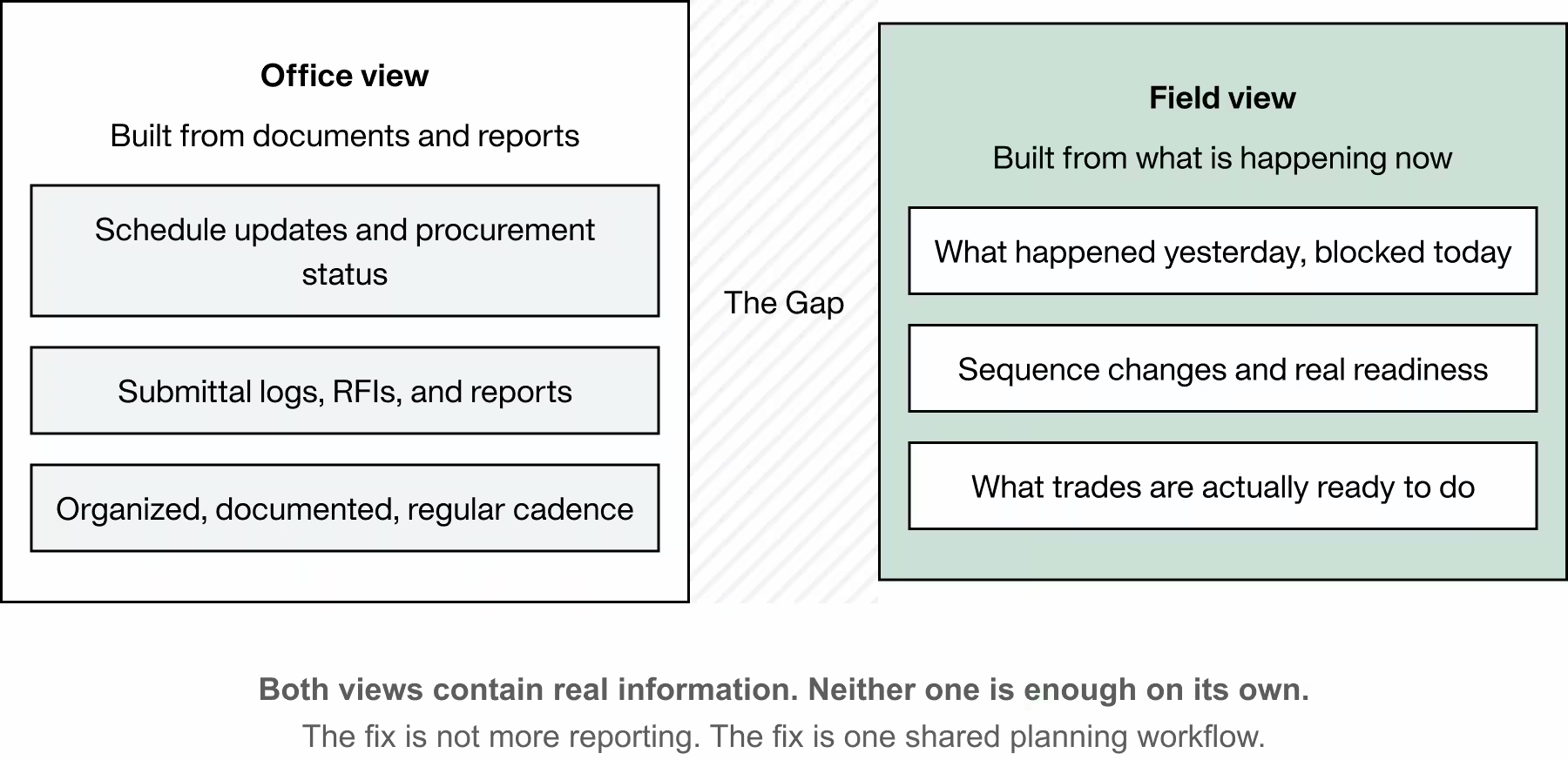
The office view of a project is built from schedule updates, procurement status, submittal logs, RFIs, and reports. It is organized, documented, and usually updated on a regular cadence.
The field view is built from what happened yesterday, what is blocked today, what changed in the sequence, and what the trades are actually ready to do next.
Both views contain real information. Neither one is enough on its own.
Projects drift when these views stop feeding the same plan. The office schedules work that is not actually ready. The field adapts in real time but the update does not make it back into the plan quickly enough. The result is familiar. Rework increases. Handoffs fail. Inspections get missed. Teams start protecting themselves instead of solving the problem together.
The fix is not more reporting. The fix is one shared planning workflow that connects schedule logic, field readiness, and weekly commitments.
Real alignment is not a software feature by itself. It is an operating model.
That model depends on two things.
First, there must be one shared version of the plan that both field and office can use. Not a master schedule in one place and a separate field plan somewhere else. The project needs one connected chain from milestone to phase to lookahead to weekly commitments.
Second, there must be one shared cadence for updating that plan. Not a constant stream of uncontrolled changes. Not a monthly meeting where weeks of drift get explained after the fact. A regular rhythm where changes are captured, constraints are surfaced, and commitments are reviewed by the people doing the work.
Most teams have documents. Aligned teams have a system.
The one-sentence answer
Connect the master schedule to phase plans and weekly commitments, make readiness and constraints visible to both field and office, and capture changes in one shared plan so everyone sees the same truth early enough to act.
That is the core of field-office alignment.
The master schedule still matters. It sets milestone dates, major sequence, and the long-range logic the project is trying to achieve.
But the master schedule is not the instrument most field teams use to navigate daily work.
A superintendent on Monday morning is not asking how to protect a logic network in the abstract. The real question is simpler and more practical:
What has to happen this week so the next handoff holds and the next milestone stays protected?
That is why alignment starts with translation.
The planning chain that makes the schedule real
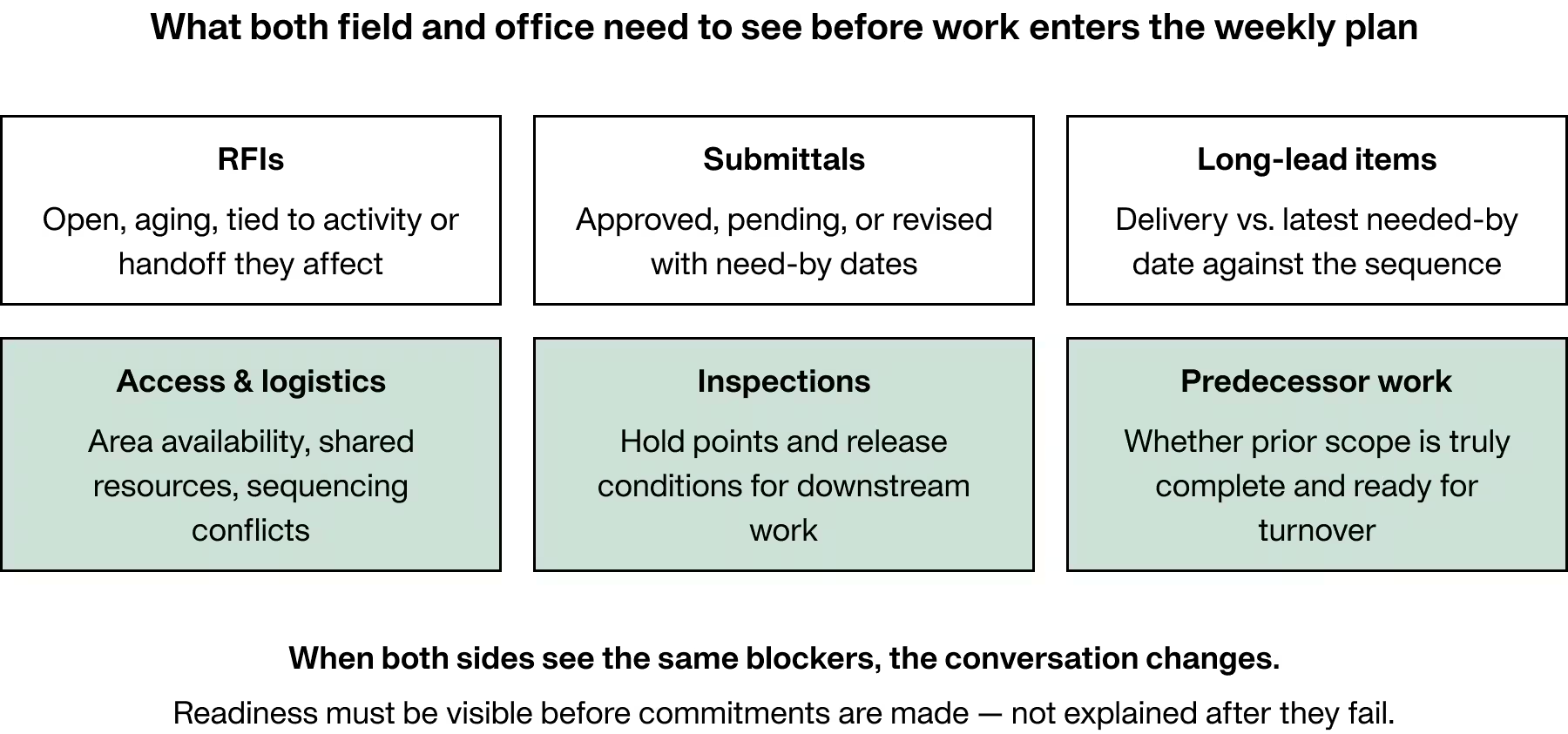
The project needs one clear chain from high-level schedule logic to weekly execution:
- Milestone: the contractual or project control date everyone is protecting
- Phase sequence: the order of operations that makes the milestone achievable
- Lookahead: the near-term work screened for readiness and constraints
- Weekly commitments: specific promises made by the people doing the work
- Definition of done: the agreed finish condition for each commitment before the work starts
When this chain is intact, a commitment made in the field can be traced back to the milestone it protects.
That is what makes the schedule meaningful to the field. The work this week is no longer disconnected from the date in the schedule. It is part of the same plan.
Field and office drift apart fastest when one side thinks work is ready and the other discovers it is not.
The office may think the activity can start because it appears next in the sequence. The field may know an RFI is still open, access is blocked, the submittal is not back, or the inspection path is not clear.
That gap destroys trust fast.
The only practical fix is shared visibility into readiness.
What both sides need to see
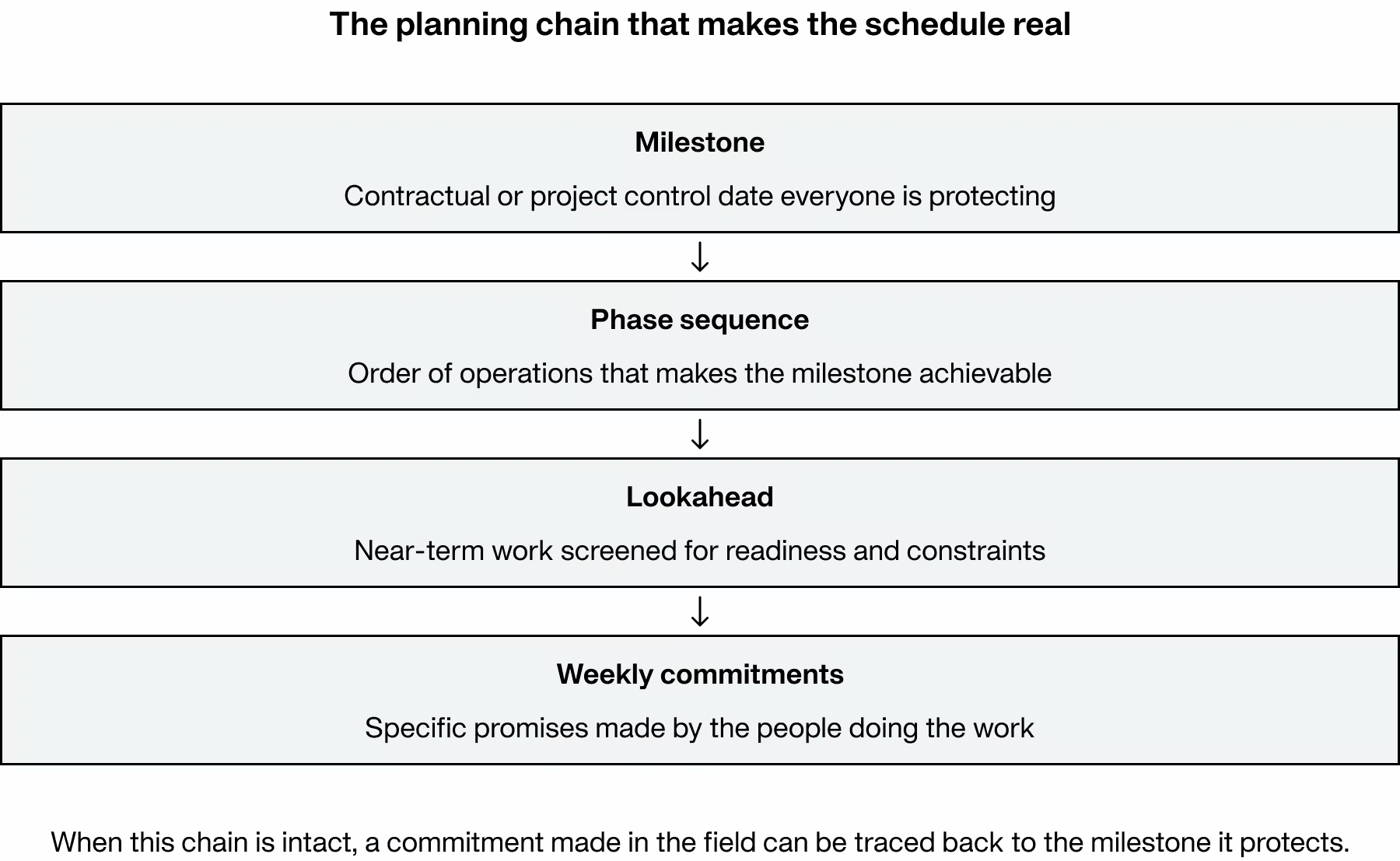
Before work enters the weekly plan, both field and office should be able to see the same readiness picture, including:
- RFIs: open, aging, and tied to the activity or handoff they affect
- Submittals: approved, pending, or revised, with need-by dates tied to install windows
- Long-lead items: expected delivery and latest needed-by dates visible against the sequence they affect
- Access and logistics: area availability, shared resources, and sequencing conflicts
- Inspection coordination: required inspections, hold points, and release conditions for downstream work
- Predecessor work: whether the prior scope is actually complete and ready for turnover
When both sides can see the same blockers, the conversation changes.
The superintendent stops finding out in the field that work was not really ready. The PM stops hearing about field constraints only after the plan has already broken. The executive team stops getting false confidence from a schedule that overstates readiness.
Readiness has to be visible before commitments are made, not explained after they fail.
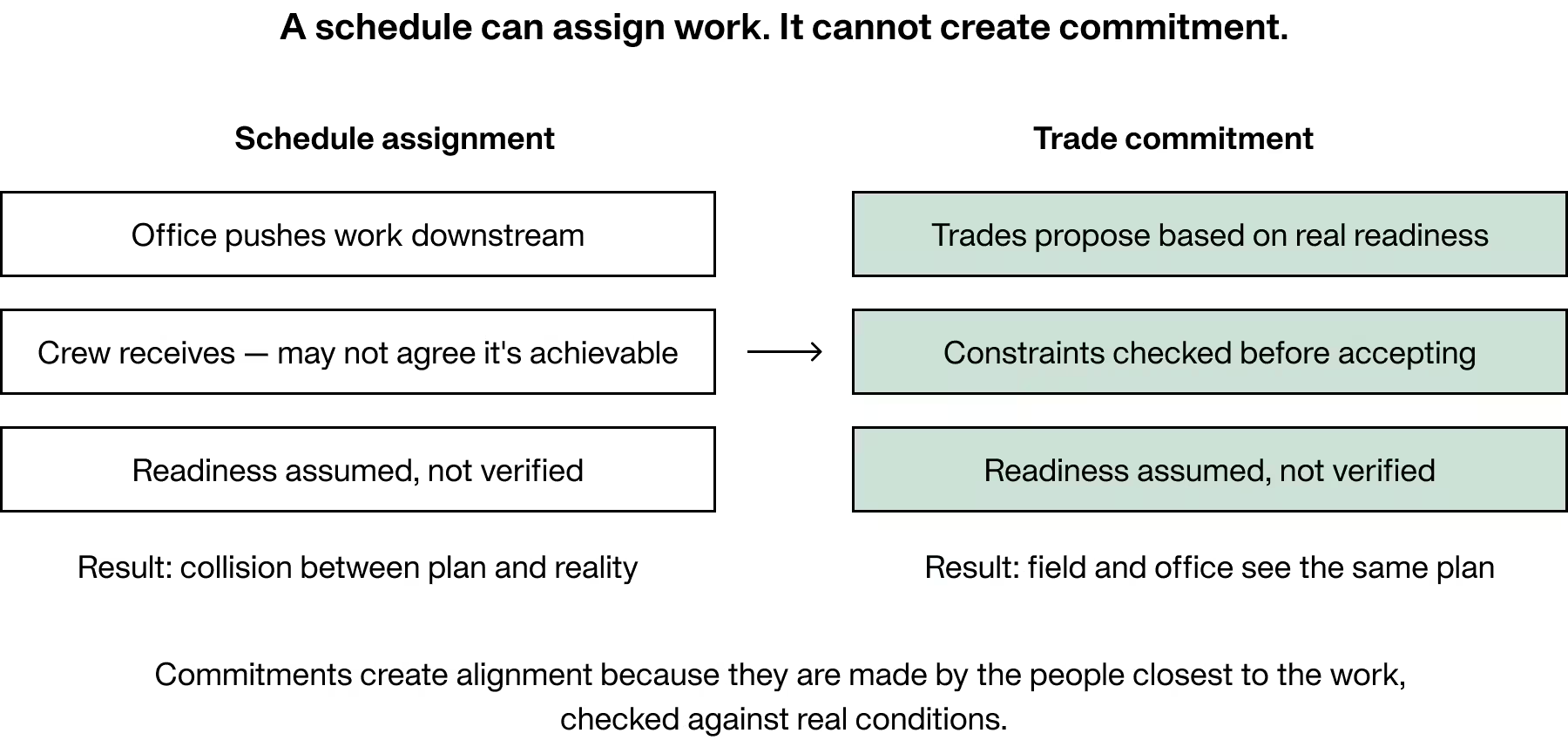
A schedule can assign work to a trade. It cannot create commitment.
That difference matters.
A crew that receives assigned work may still show up unconvinced the plan is achievable. A crew that proposes a commitment based on real readiness is operating differently from the start.
What the weekly planning conversation should look like
A stronger weekly planning workflow works like this:
- Trades propose what they can complete next week based on actual readiness
- The team checks the constraints against each proposed commitment
- Commitments are locked with a named owner, a specific area, and a clear definition of done
- The plan is published once so field and office are looking at the same commitments
This is how you avoid the familiar collision where the office says a trade was scheduled to finish and the field says nobody ever agreed the work was ready or achievable.
Commitments create alignment because they are made by the people closest to the work and checked against real conditions before they are accepted.
Real-time alignment does not mean constant schedule churn.
It means that when something changes, the change is captured once, in one authoritative place, and everyone is looking at the same updated plan.
If the field updates one whiteboard, the PM updates a spreadsheet later, and the official schedule changes days after that, the project is already operating from multiple truths.
One update path, one visible impact
When a change happens in the field, two questions matter immediately:
Where does it get updated? There should be one agreed place where the change is captured first.
Who can see the impact? The change should be visible to the trade waiting on the handoff, the PM managing the constraint, the superintendent protecting the sequence, and the leaders watching the milestone.
If that impact is visible quickly, the team can respond while options still exist.
If it is not visible until the next meeting or the next report, the project is already reacting late.
This does not require endless notifications. It requires one shared agreement about where the authoritative plan lives and the discipline to update it there first.
How to Fix the Disconnect Between the Office and Field.
Download the report to learn more:
- Learn about the why scheduling and planning fail the field
- Understand the pain points, inefficiencies, and evolving practices shaping scheduling today
- Find out how to bridge critical disconnects happening in construction
Field-office alignment is not just about cleaner coordination. It creates confidence in the plan.
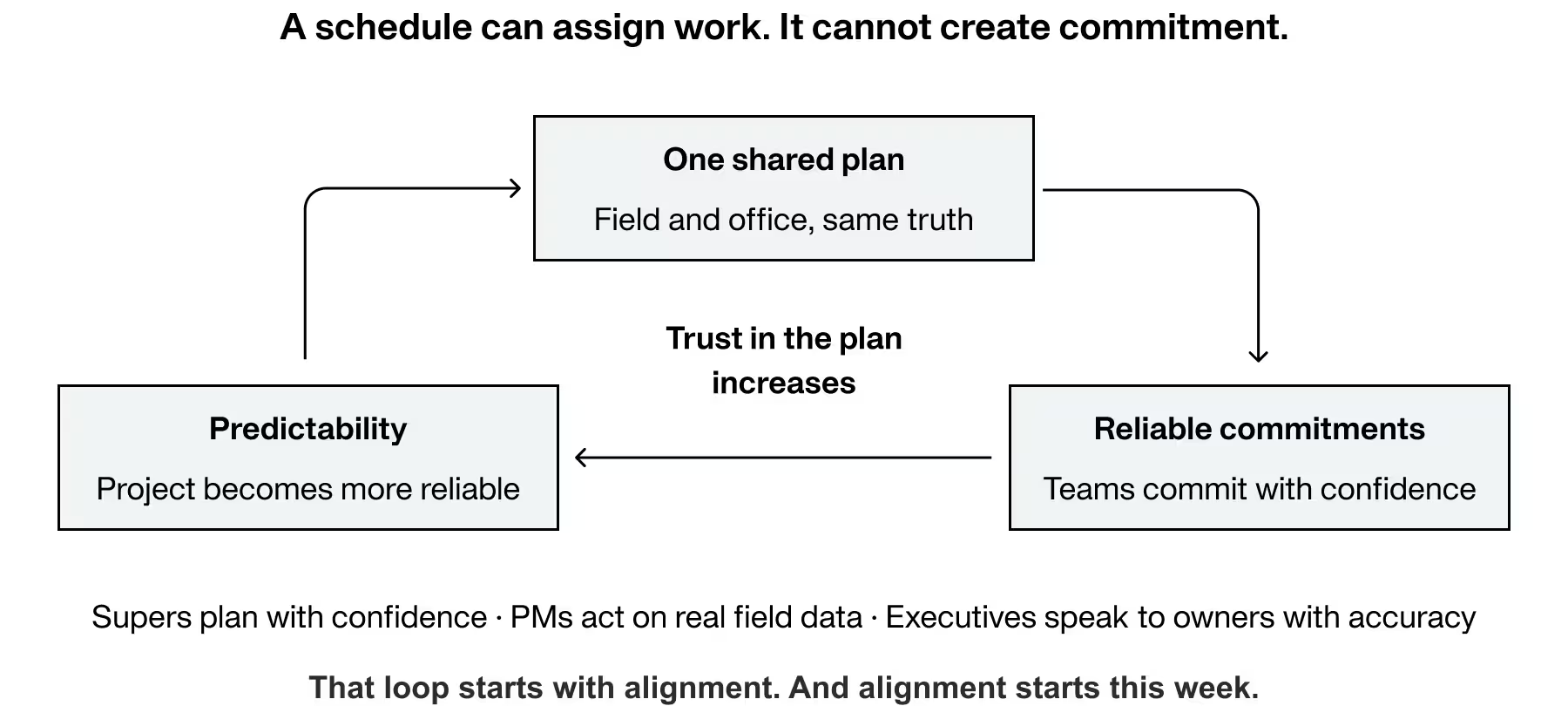
Supers plan with more confidence when next week’s work reflects real readiness instead of assumptions.
PMs make better decisions when they are acting on the same field reality the superintendent is managing.
Executives speak to owners with more confidence when the schedule they are defending reflects what is actually happening, not what was expected to happen several weeks ago.
That confidence is not soft. It changes how the team performs.
When teams trust the plan, they commit more reliably. When commitments become more reliable, the project gets more predictable. When the project becomes more predictable, trust in the plan increases again.
That loop starts with alignment.
You do not need a major platform change to start closing the field-office gap this week. Start with five habits.
- Link each milestone to a phase plan and near-term lookahead that both field and office can trace.
- Make constraints visible and owned so no blocker lives only in one person’s inbox or memory.
- Run weekly planning as trade commitments checked against readiness, not as schedule assignments pushed downstream.
- Capture changes once in the authoritative plan so everyone responds from the same update.
- Review commitment reliability and reasons for variance weekly so the team can improve the next plan, not just explain the last one.
Construction will always have variability. A delivery will move. An inspection will slip. A crew will run short.
That is not the main problem.
The real problem is a team that finds out about those changes at different times, from different sources, and responds with different plans.
When field and office operate from one shared truth, updated together and reviewed together, they do more than protect the schedule. They keep the team itself aligned.
And on a long project, that is one of the most valuable forms of control a team can build.
How to Fix the Disconnect Between the Office and Field.
Field-office alignment is not just about cleaner coordination. It creates confidence in the plan.
Supers plan with more confidence when next week’s work reflects real readiness instead of assumptions.
PMs make better decisions when they are acting on the same field reality the superintendent is managing.
Executives speak to owners with more confidence when the schedule they are defending reflects what is actually happening, not what was expected to happen several weeks ago.
That confidence is not soft. It changes how the team performs.
When teams trust the plan, they commit more reliably. When commitments become more reliable, the project gets more predictable. When the project becomes more predictable, trust in the plan increases again.
That loop starts with alignment.
You do not need a major platform change to start closing the field-office gap this week. Start with five habits.
- Link each milestone to a phase plan and near-term lookahead that both field and office can trace.
- Make constraints visible and owned so no blocker lives only in one person’s inbox or memory.
- Run weekly planning as trade commitments checked against readiness, not as schedule assignments pushed downstream.
- Capture changes once in the authoritative plan so everyone responds from the same update.
- Review commitment reliability and reasons for variance weekly so the team can improve the next plan, not just explain the last one.
Construction will always have variability. A delivery will move. An inspection will slip. A crew will run short.
That is not the main problem.
The real problem is a team that finds out about those changes at different times, from different sources, and responds with different plans.
When field and office operate from one shared truth, updated together and reviewed together, they do more than protect the schedule. They keep the team itself aligned.
And on a long project, that is one of the most valuable forms of control a team can build.
Frequently Asked Questions
It means both sides work from one connected plan and one shared cadence, instead of a master schedule in one place and a field plan somewhere else. The chain runs from milestone to phase to lookahead to weekly commitments, so the work this week traces back to the date it protects. Tools built for this, like Outbuild, keep the master schedule connected to the lookahead and weekly plan in one platform, with progress from the lookahead rolling up to the master schedule automatically.
The office view is built from schedule updates, submittals, RFIs, and reports on a set cadence. The field view is built from what is blocked today and what the trades are actually ready to do next. Both hold real information, but when they stop feeding the same plan, the office schedules work that is not ready and field changes reach the plan too late. Rework, failed handoffs, and lost trust follow.
Four moves: translate the master schedule into a field ready planning chain, make readiness and constraints visible before commitments are made, run weekly planning around trade commitments checked against real conditions, and capture every change once in one authoritative plan. Platforms like Outbuild support this with connected lookaheads, roadblock and constraint tracking, and a Schedule Impact Request feature that lets field crews at the lookahead level communicate changes directly to the people managing the master schedule.
A schedule can assign work to a trade, but it cannot create commitment. Assigned work often arrives with a crew that does not believe the plan is achievable. A commitment is proposed by the people doing the work based on real readiness, then locked with a named owner, a specific area, and a clear definition of done. In Outbuild, superintendents and trade partners agree each week on the specific tasks they will complete directly from the lookahead, and the tool calculates Percent Plan Complete and records reasons for variance so reliability improves week over week.
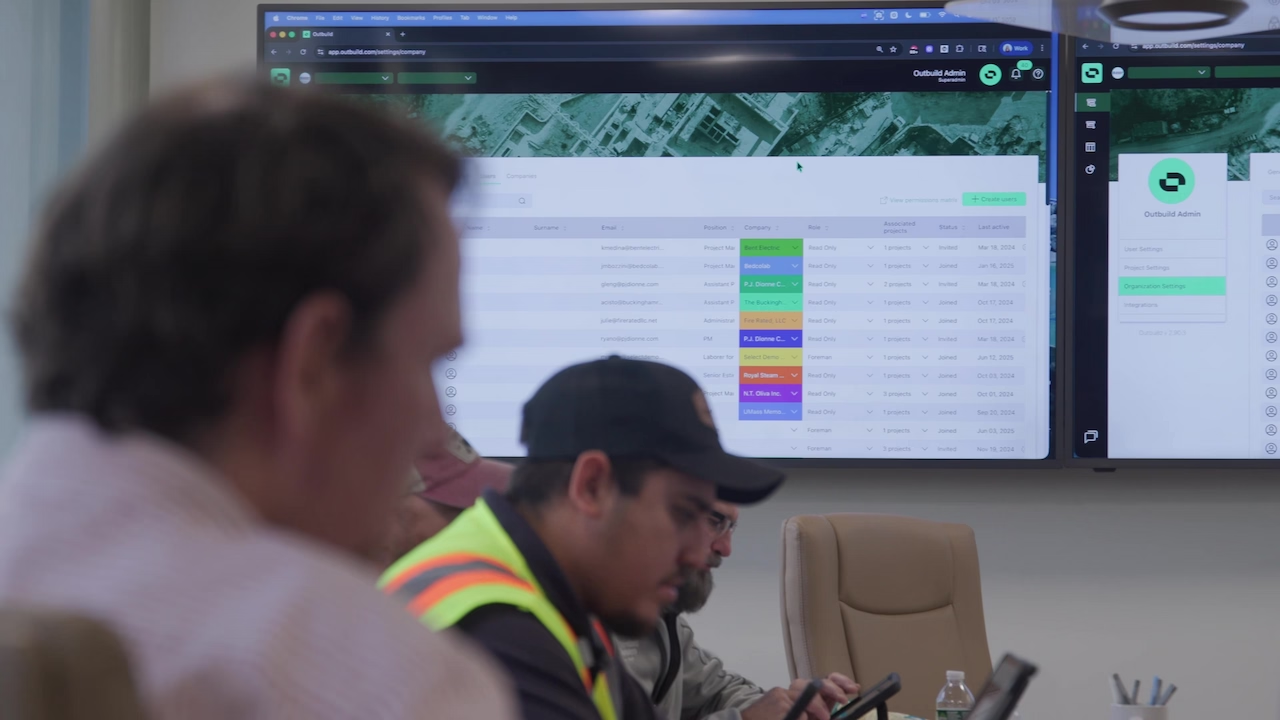
Outbuild connects the master schedule, lookahead plan, and weekly work plan in one construction scheduling platform. Teams see the same updates, track constraints, collaborate with trade partners, and tie field progress back to the schedule.


Ready to see Outbuild?
Join hundreds of contractors from 10+ countries that are saving money by scheduling better




We’ll be in touch soon!